There has been a significant increase in questions recently regarding fin rot. About 95% of the time, if not more, it is not rot. So, how to you know what is going on with your fish or what to do next? Far too many times I hear things like “all you need is a single dose of Erythromycin (or another antibiotic)”; however, a single dose will do nothing good, and if done often enough will lead to bacteria becoming resistant to antibiotics and then there would be no way to treat this disease.
First and foremost need to determine what type of fin damage exists. Does the fin look like a bite has been taken out? Shredded? Ripped? Are you seeing something dark on the fin edges that is not normal coloring? What about a clear or white edge? All of these questions can help point to what is going on as well as to determine the root cause so it can be corrected.
What are the Current Water Parameters?
Specifics can help to determine if the tank is cycled and well maintained. Things to ask yourself include, how much and how often water changes are done. There is nothing better for freshwater fish than fresh water. Same is true on a smaller scale for saltwater environments. Doing water changes not only removes waste, but it also replenishes minerals that are lost to growing fish and to hungry plants.
By monitoring water parameters you are also confirming that your tank is cycled and stable. There should never be measurable ammonia or nitrite. If either test shows anything but 0, the tank is not cycled or lost its cycle. In this case, environmental cleanup is necessary.
How long have fish been in your tank?
New fish can be stressed from the shipping and new environment and develop disease. Just because fish look fine when you bring them home, does not guarantee that the stress of moving doesn’t trigger disease a few weeks down the road. You have no clue what those fish have been through or what their previous environment was like.
Were new purchases properly quarantined?
If not, you are playing Russian Roulette with your livestock; and taking a risk that disease may develop or spread throughout a tank. This is the main reason why it is important to quarantine all new purchases. But how long should new purchased be quarantined? Fin rot can take a few weeks to show up.
What tankmates are in the tank?
Need to rule out incompatibility in species, such as keeping long finned fish with notorious nippers. Just because you don’t notice any aggression does not mean fish don’t nip or fight when you are not around. And yes, we hear it all the time “I never see fish fighting or nipping each other”. I sit in front of one of my tanks while working all day. Just like with a small child, the second your back is turned that’s when things happen.
Any time you are attempting to house incompatible species, expect things to happen.
Could you be dealing with an environmental issue?
Environmental damage will appear as ripped or torn edges and sometimes shredded finage. When fins begin to repair themselves they will first look clear or white on the edges and many think this is fin rot when it is actually new fin growth.
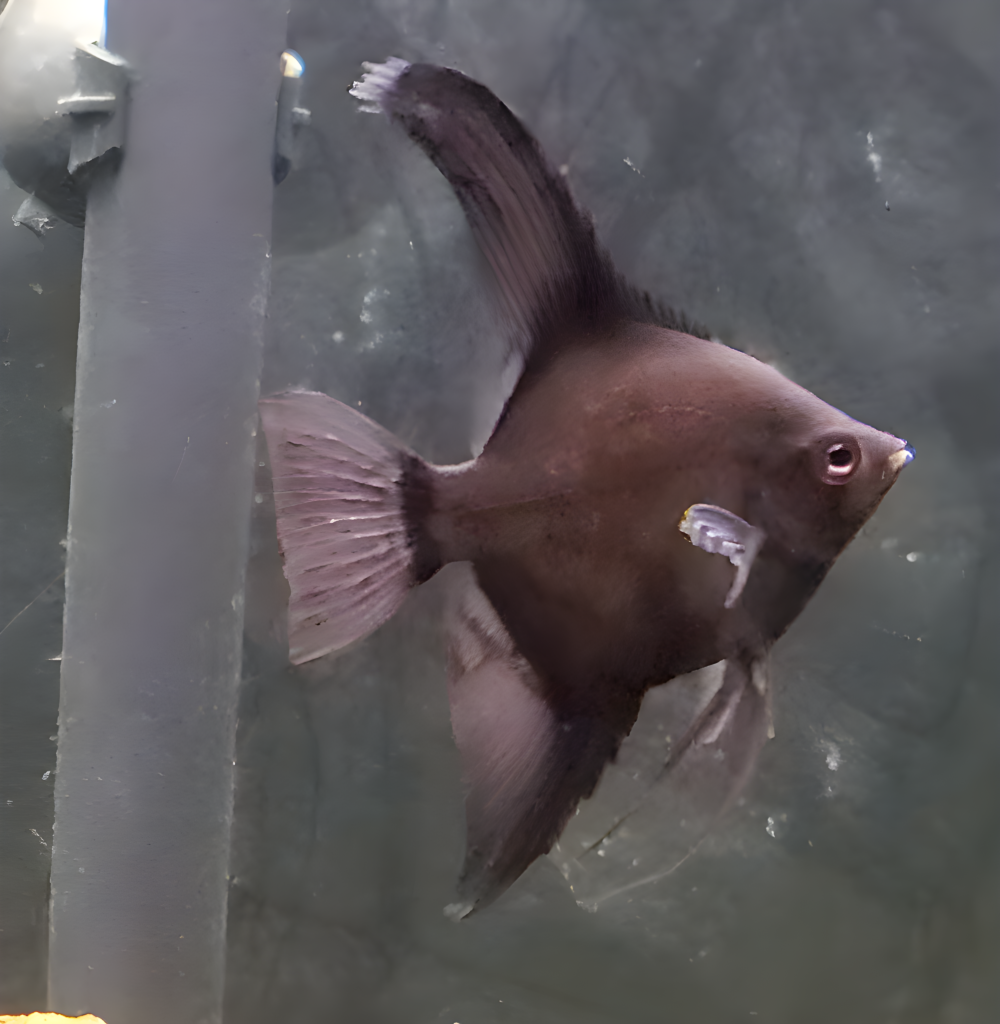
Image showing new fin growth. This is not Fin Rot.
White tips on this dark angel’s dorsal is new fin growth. This is what you want to see as it does not indicate there are any issues to be concerned about.
If you have determined that you are dealing with environmental damage, there is no need to reach for medications. Instead, change the environment to eliminate the root cause. If the fin is ripped, then look at the decor for anything with a sharp edge that can grab a long, flowing fin. If caused by nipping or fighting, separate or rehome fish if unable to set up a second tank.
Treating Environmental Fin Rot
Treatment for environmental fin damage is to do nothing more than offering a variety of high quality, nutrient rich foods to support the immune system along with small daily water changes. Could add aquarium salt if fish will tolerate it or use botanicals to add tannins to the water column. Fish will repair their fins in 1-2 weeks. NO MEDICATIONS NEEDED!
True Bacterial Fin Rot
When rot exists it will appear like you probably imagine. Fin edges can be a little jagged, but will always be dark from the rotting flesh that is being attacked. If you are seeing clear or white edges, see the section above about Environmental Fin Damage.
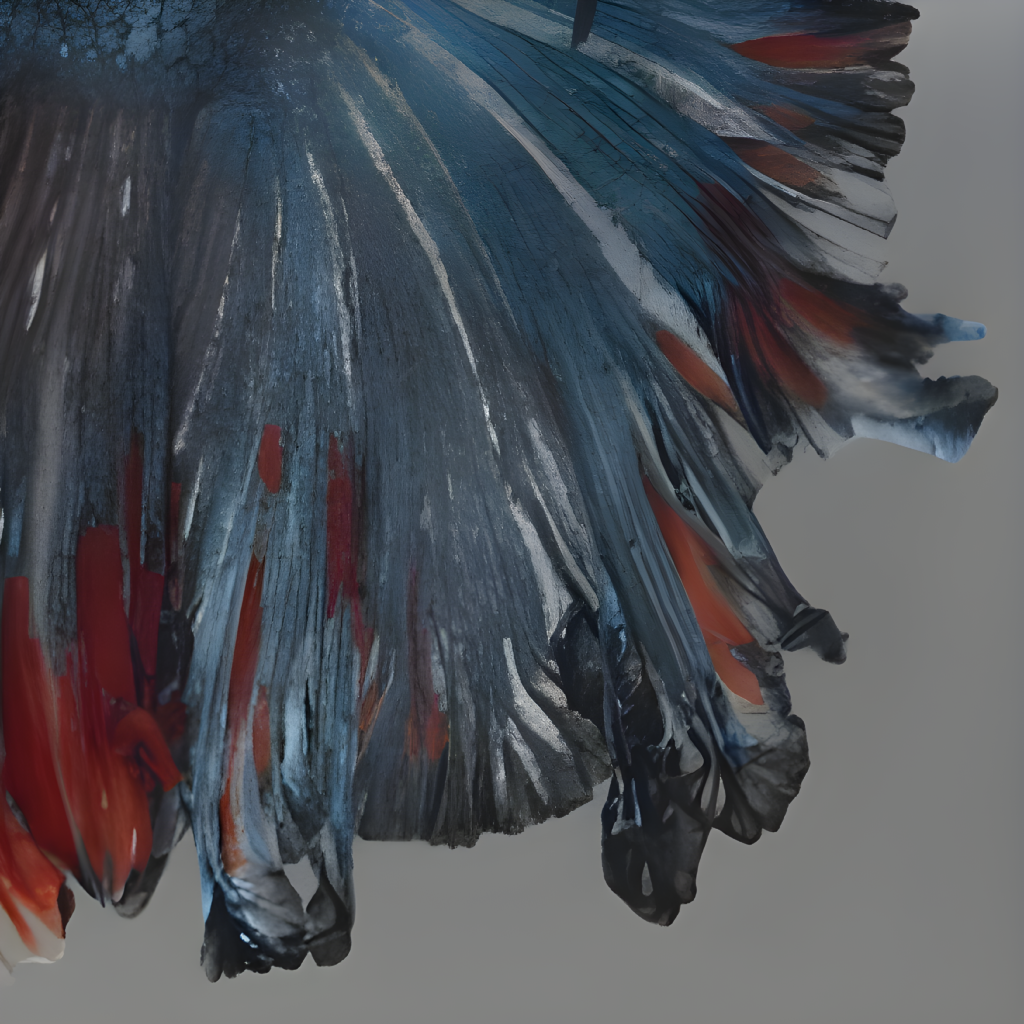
This image is showing true bacterial Fin Rot along with one bite mark. These black sections are areas where bacteria is causing the flesh to rot and die.
True rotting flesh is the only time antibiotics should be used for fin damage. But which antibiotics? I use erythromycin in this case, but there are a few other fish medications that can treat fin rot. No matter which medication is used, it can be dosed with powder in the water column or with medicated foods; but once started continue treatment for a minimum of 10 days to ensure the bacteria is eliminated and to avoid developing bacteria resistant to medication.